Modern healthcare is becoming more connected, and Medical Sensors are playing an important role in this change. These small but powerful technologies can collect health-related information and help healthcare professionals monitor different body signals. From wearable devices and remote patient monitoring to hospitals and elderly care, Medical Sensors can support smarter health monitoring. However, their benefits also come with challenges such as accuracy, privacy, cost, cybersecurity, and false alerts 7 Powerful Medical Sensors – Smart Health Benefits & Key Challenges.
Table of Contents
- What Are Medical Sensors?
- 7 Powerful Medical Sensors Applications
- Benefits of Medical Sensors
- Key Challenges
- Comparison Table
- FAQs
- Conclusion
What Are Medical Sensors?
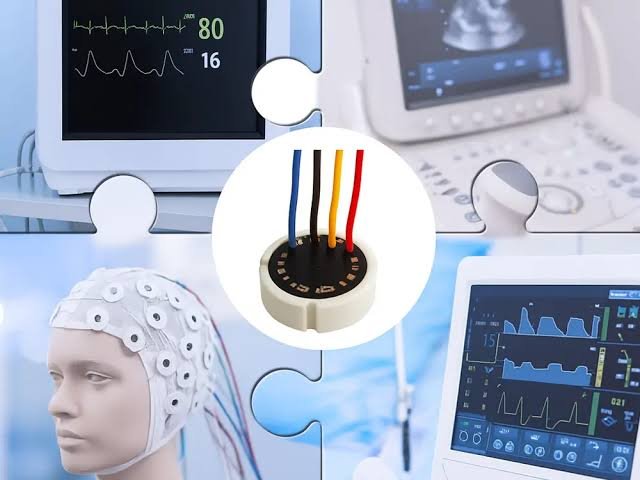
Medical Sensors are devices or components designed to detect and measure information related to the human body or healthcare environment. Depending on their purpose, they can measure signals such as heart rate, body temperature, movement, blood oxygen levels, pressure, and other physiological information.
Some sensors are used inside hospitals, while others can be included in wearable devices or home-monitoring equipment. Modern sensor systems can connect with software and artificial intelligence to process collected information.
7 Powerful Medical Sensors – Smart Health Benefits & Key Challenges The main purpose of Medical Sensors is to provide useful health information that can support monitoring, research, diagnosis, treatment planning, or patient care. However, the role of a sensor depends on its design and intended medical use.
7 Powerful Medical Sensors Applications
1. Medical Sensors for Heart Monitoring
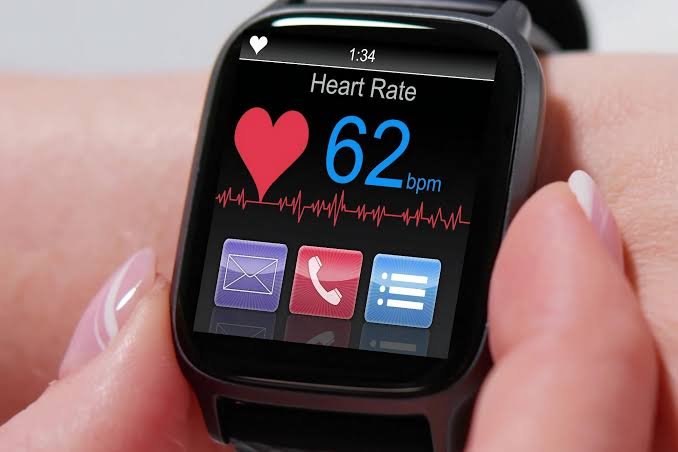
Heart monitoring is one of the most important applications of Medical Sensors. Specialized sensors can collect information about heart rate and electrical activity, depending on the type of device 7 Powerful Medical Sensors – Smart Health Benefits & Key Challenges.
Wearable devices and clinical monitoring systems can provide repeated measurements instead of relying on a single reading. This can help create a broader picture of certain heart-related patterns.
Medical Sensors and Cardiac Monitoring
Some advanced monitoring systems can use software to analyze collected signals and identify unusual patterns that may require professional attention 7 Powerful Medical Sensors – Smart Health Benefits & Key Challenges.
However, an unusual sensor reading does not automatically mean that a person has a heart condition. Clinical assessment is still necessary for diagnosis and treatment decisions.
2. Medical Sensors for Remote Patient Monitoring
Remote healthcare is becoming increasingly important, especially for patients who need regular monitoring outside hospitals or clinics. Medical Sensors can support remote patient monitoring by collecting selected health information at home.
Depending on the device, sensors may monitor different physiological measurements and send information to a connected platform.
Medical Sensors at Home
Home monitoring can reduce the need for some routine measurements to be performed in person. It can also give healthcare teams additional information between appointments.
However, remote monitoring works best when devices are reliable and healthcare professionals have a clear process for reviewing important information 7 Powerful Medical Sensors – Smart Health Benefits & Key Challenges.
3. Medical Sensors for Wearable Health Technology
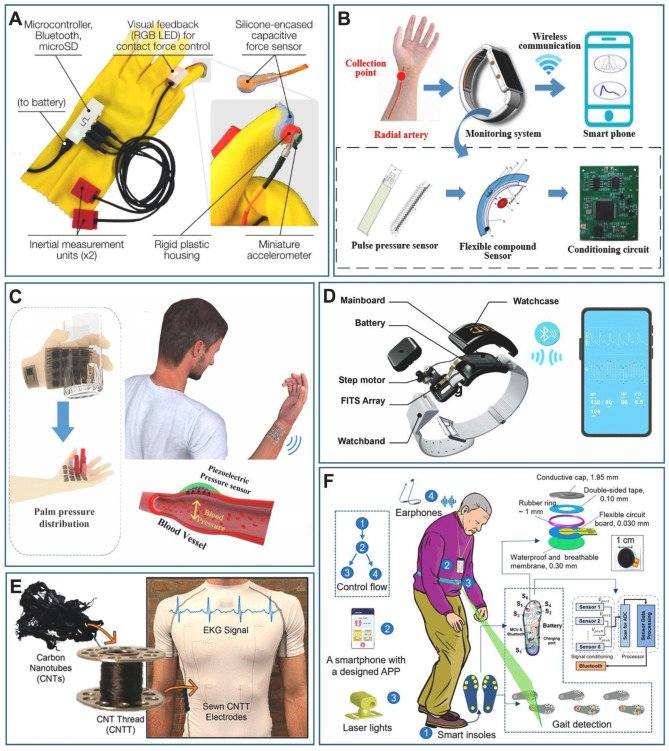
7 Powerful Medical Sensors – Smart Health Benefits & Key Challenges Wearable technology has created new opportunities for Medical Sensors. Smartwatches, patches, fitness devices, and specialized medical wearables can contain sensors that collect information during everyday activities.
These devices can potentially monitor movement, heart rate, temperature, and other measurements depending on their design.
Medical Sensors and Daily Tracking
Continuous or repeated tracking can help users understand changes in selected health measurements over time.
However, not every wearable device is a medical device. Consumer products may have different levels of accuracy, so users should understand what a particular device is designed to measure.
4. Medical Sensors for Hospital Patient Monitoring
Hospitals use monitoring equipment to observe patients and track important physiological signals. Medical Sensors can provide real-time or repeated information that healthcare teams can use as part of patient monitoring 7 Powerful Medical Sensors – Smart Health Benefits & Key Challenges.
Connected monitoring systems may collect information from multiple sensors and display it through centralized software.
Medical Sensors in Patient Rooms
Smart monitoring can help healthcare professionals manage information from multiple patients. When properly integrated, sensor systems may support faster access to relevant information.
Still, healthcare professionals must interpret the information and consider the patient’s overall clinical condition.
5. Medical Sensors for Elderly Care
Elderly care is another area where Medical Sensors can provide useful support. Wearable and home-based sensors may help monitor movement, activity, or selected health measurements.
Some systems are designed to detect changes in normal activity patterns and notify caregivers when attention may be required 7 Powerful Medical Sensors – Smart Health Benefits & Key Challenges.
Medical Sensors for Safer Care
Sensor-based monitoring can provide caregivers with additional information about a person’s daily activity.
At the same time, privacy and personal dignity should remain important. Monitoring technology should be used responsibly and with appropriate consent.
6. Medical Sensors for Personalized Healthcare
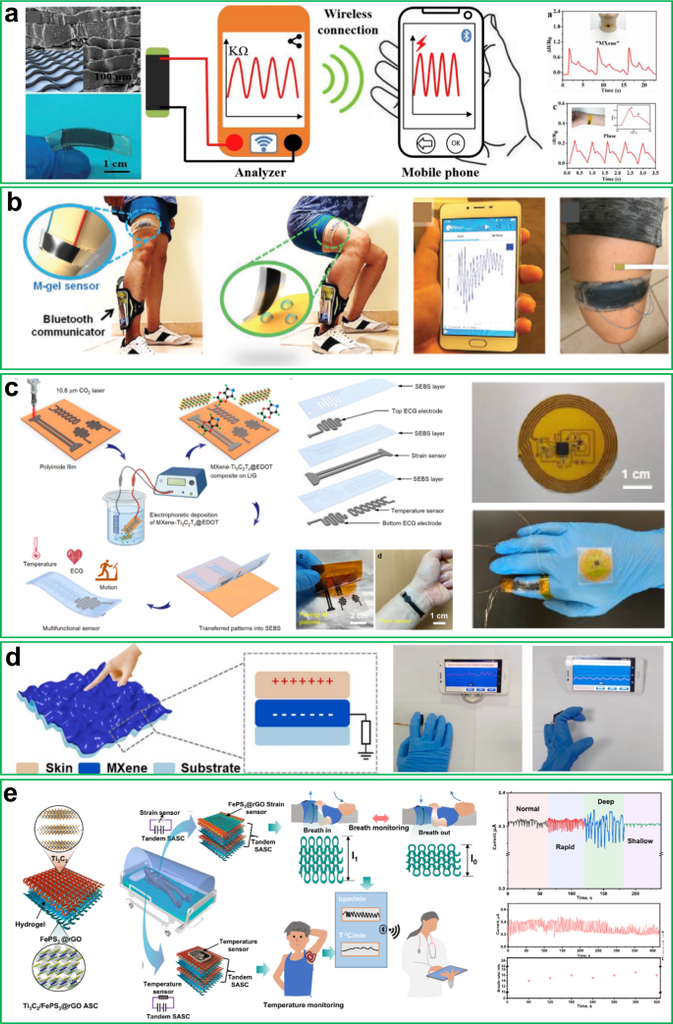
Personalized healthcare focuses on understanding individual differences rather than treating every patient in exactly the same way. Medical Sensors can support this approach by collecting information specific to an individual.
Repeated measurements can create a more detailed record of certain health patterns. When combined with appropriate analytics, this information may help healthcare professionals understand individual trends.
Medical Sensors and Personal Health Data
Personalized monitoring can potentially provide more context than occasional measurements. However, sensor information is only one part of a complete medical assessment.
Doctors and other qualified professionals need to consider medical history, symptoms, examinations, and other relevant information before making healthcare decisions.
7. Medical Sensors for Preventive Health
Preventive healthcare focuses on reducing health risks and encouraging people to pay attention to their health before serious problems develop. Medical Sensors can support this goal by providing regular information about selected health indicators 7 Powerful Medical Sensors – Smart Health Benefits & Key Challenges.
For example, repeated measurements may help users notice changes that they can discuss with a healthcare professional.
Medical Sensors and Early Awareness
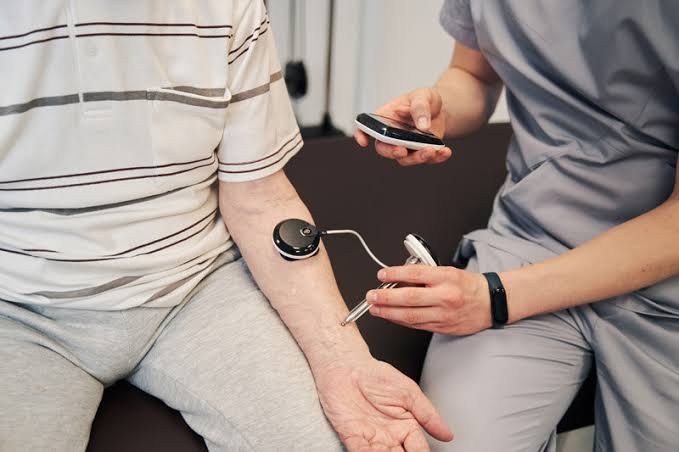
The biggest potential advantage is greater awareness. People may become more familiar with their normal patterns and notice when something changes.
However, sensor data should not create unnecessary fear. A single unusual reading should generally be interpreted carefully rather than treated as proof of a disease.
Medical Sensors can provide several important benefits when they are designed and used appropriately.
One major advantage is continuous monitoring. Traditional healthcare often relies on measurements taken during specific appointments. Sensors can provide additional information between those visits 7 Powerful Medical Sensors – Smart Health Benefits & Key Challenges.
Another benefit is convenience. Wearable and home-monitoring devices can allow certain measurements to be collected without requiring a patient to visit a healthcare facility every time.
Medical sensors can also help organize large amounts of information. When connected with suitable software, sensor data can be analyzed and presented in a way that supports healthcare workflows.
Remote monitoring may also be useful for improving access to selected forms of healthcare support, especially when travel to a medical facility is difficult.
Finally, Medical Sensors can support research by generating health-related data that researchers can study to better understand patterns and trends.
Key Challenges of Medical Sensors
Although Medical Sensors offer promising benefits, they also have important limitations.
Accuracy and Reliability
7 Powerful Medical Sensors – Smart Health Benefits & Key Challenges Sensor readings can be affected by movement, incorrect placement, environmental conditions, device quality, or technical problems. Inaccurate measurements can reduce the usefulness of a monitoring system.
Medical Sensors and Privacy
Health information is sensitive. Connected sensors can generate large amounts of personal data, so appropriate privacy and security protections are essential.
False Alerts
Automated monitoring systems can sometimes produce alerts that do not represent a serious medical problem. Too many unnecessary alerts can create anxiety and increase the workload of healthcare professionals 7 Powerful Medical Sensors – Smart Health Benefits & Key Challenges.
Cost and Accessibility
Advanced medical sensor systems can require specialized hardware, software, maintenance, and trained staff. Cost can therefore affect access to these technologies.
Battery and Connectivity

Wearable and remote sensors may depend on batteries, wireless connections, or internet services. A device that loses power or connectivity may fail to provide continuous information.
Clinical Validation
A sensor can be technically impressive without necessarily being clinically useful. Appropriate testing and validation are important before using sensor-generated information for important medical decisions 7 Powerful Medical Sensors – Smart Health Benefits & Key Challenges.
Medical Sensors and Artificial Intelligence
Artificial intelligence can make Medical Sensors more useful by helping process large amounts of collected information.
Instead of simply displaying raw measurements, AI-based software may analyze patterns and highlight information that deserves attention.
For example, a monitoring system could examine changes in a patient’s data over time rather than looking at every measurement separately.
However, AI does not automatically make sensor information accurate. Poor-quality data can still produce unreliable results. Human oversight and appropriate clinical validation remain important.
Medical Sensors Comparison Table
| Medical Sensor Application | Main Purpose | Potential Benefit | Key Challenge |
|---|---|---|---|
| Heart Monitoring | Track cardiac signals | Continuous information | False alerts |
| Remote Monitoring | Monitor patients at home | Convenient care | Connectivity |
| Wearables | Daily health tracking | Easy data collection | Accuracy |
| Hospital Monitoring | Observe patients | Faster information access | System integration |
| Elderly Care | Activity monitoring | Extra caregiver support | Privacy |
| Personalized Care | Track individual patterns | More tailored insights | Data quality |
| Preventive Health | Monitor selected indicators | Greater awareness | Overinterpretation |
Medical Sensors Application Graph
The following graph provides a conceptual comparison of the applications discussed in this article. The values are illustrative only and do not represent clinical effectiveness, market share, or scientific measurements.
This visual comparison shows how Medical Sensors can have applications across different areas of healthcare. The actual usefulness of each application depends on device quality, clinical setting, patient needs, and supporting evidence.
The future of Medical Sensors may become more advanced as wearable technology, artificial intelligence, wireless connectivity, miniaturized electronics, and healthcare software continue to develop.
Sensors may become smaller and more comfortable while offering improved monitoring capabilities. New systems may also combine multiple sensors to create a broader picture of a person’s health 7 Powerful Medical Sensors – Smart Health Benefits & Key Challenges.
AI could further support the analysis of continuous health information. Instead of simply collecting measurements, future systems may focus more on identifying meaningful patterns and presenting them clearly to healthcare professionals.
Smart hospitals may also connect sensors with electronic health systems and remote-care platforms. This could create more integrated healthcare environments.
Despite these opportunities, future development should focus on accuracy, security, affordability, patient privacy, and clinical evidence. More data is not always better; useful and reliable data is what matters most.
Frequently Asked Questions About Medical Sensors
What Are Medical Sensors?
Medical Sensors are devices or components that detect and measure health-related information. They can be used in hospitals, wearable devices, remote monitoring systems, and other healthcare technologies.
How Do Medical Sensors Help Healthcare?
Medical Sensors can provide repeated or continuous measurements that support patient monitoring, healthcare research, remote care, and clinical workflows 7 Powerful Medical Sensors – Smart Health Benefits & Key Challenges.
Can Medical Sensors Detect Diseases?
Some sensor systems may help identify patterns associated with certain health conditions, but sensor readings alone do not automatically confirm a diagnosis. Professional medical evaluation is important.
Are Medical Sensors Used at Home?
Yes. Some Medical Sensors are designed for home monitoring and can collect selected health information outside hospitals or clinics.
Can Medical Sensors Work With AI?
Yes. AI can analyze sensor data and help identify patterns. However, AI-generated results should be interpreted carefully and validated for the intended medical use 7 Powerful Medical Sensors – Smart Health Benefits & Key Challenges.
What Are the Biggest Medical Sensor Challenges?
Important challenges include accuracy, privacy, cybersecurity, false alerts, cost, connectivity, battery limitations, and clinical validation 7 Powerful Medical Sensors – Smart Health Benefits & Key Challenges.
Conclusion
Medical Sensors are helping create new possibilities for modern health monitoring. Their applications range from heart monitoring and remote patient care to wearable technology, hospital monitoring, elderly care, personalized healthcare, and preventive health.
These technologies can provide continuous information, support remote care, and help healthcare teams understand health-related patterns. However, their effectiveness depends on accurate data, reliable devices, secure systems, and appropriate professional oversight 7 Powerful Medical Sensors – Smart Health Benefits & Key Challenges.
Privacy and cybersecurity are also essential because connected medical technologies can handle sensitive health information. At the same time, false alerts, cost, connectivity, and clinical validation remain important challenges.
As healthcare becomes more connected, Medical Sensors may become an increasingly valuable part of digital healthcare. The strongest future solutions will be those that combine smart technology with patient safety, responsible data use, accessibility, and evidence-based medical care 7 Powerful Medical Sensors – Smart Health Benefits & Key Challenges.
1 comment on 7 Powerful Medical Sensors – Smart Health Benefits & Key Challenges