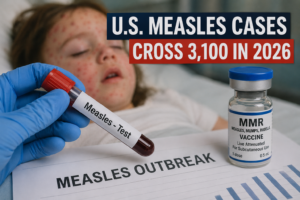
The United States is facing a serious measles resurgence in 2026, with confirmed cases climbing above 3,100. According to the Centers for Disease Control and Prevention (CDC), 3,134 confirmed measles cases had been reported across the United States as of September 3, 2026. The figure represents the highest annual total recorded in more than 35 years, making the development an important public health concern.
The headline 7 Shocking U.S. Measles Cases Cross 3,100 has attracted attention because the increase is not simply about a rising number. Instead, it highlights concerns about vaccination coverage, community immunity, disease surveillance, and the ability of health departments to respond quickly when outbreaks occur.
Table of Contents
- What the Latest Measles Numbers Show
- Why Measles Spreads So Quickly
- Why the Current Rise Is Concerning
- The Importance of Vaccination
- Common Symptoms of Measles
- How Public Health Teams Respond
- What Families Can Do
- The Broader Public Health Impact
- FAQs
- Conclusion
What the Latest Measles Numbers Show
The CDC reported 3,134 confirmed measles cases in the United States by September 3, 2026. Of these, 3,118 cases had been reported by 47 jurisdictions. Because public health data can be updated as investigations are completed, the total may change as additional information is received and records are reconciled.
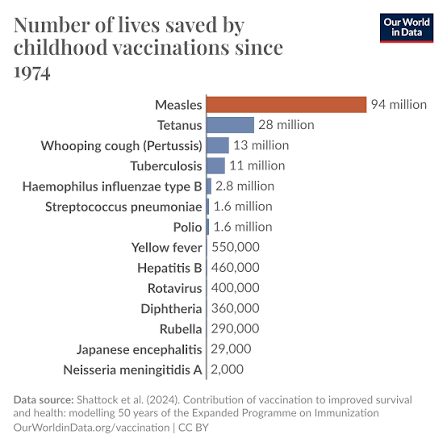
The development described by 7 Shocking U.S. Measles Cases Cross 3,100 is particularly significant because measles had previously been eliminated from continuous transmission in the United States. However, elimination does not mean that the virus has disappeared globally. Imported infections can still enter the country, and transmission can occur when enough susceptible people are present.
Furthermore, the current number shows how quickly a vaccine-preventable disease can become a major public health issue when immunity gaps develop.
Why Measles Spreads So Quickly
Measles is among the most contagious infectious diseases. It can be transmitted through the air when an infected person coughs, sneezes, or breathes. The virus can also remain in an indoor area for some time after an infected person has left.
As a result, direct physical contact is not always required for exposure. People who are unvaccinated or not adequately protected may therefore be placed at greater risk when they enter an area where the virus has circulated.
This is one reason 7 Shocking U.S. Measles Cases Cross 3,100 has become an important warning for communities. Once measles enters a population with insufficient immunity, several additional cases can be produced from a single infection.
Schools, childcare centers, households, healthcare facilities, and other crowded environments can therefore become important locations for disease transmission.
Why the Current Rise Is Concerning
The number of cases is concerning not only because of the total itself but also because of the resources required to manage outbreaks.
When a measles infection is confirmed, public health workers may need to identify people who were exposed. Vaccination records may be reviewed, contacts may be notified, and people at risk may need to be monitored. In addition, healthcare facilities may need to introduce measures to prevent the virus from spreading to other patients and workers.
The significance of 7 Shocking U.S. Measles Cases Cross 3,100 is therefore connected to the pressure placed on public health systems. If staffing, laboratory capacity, funding, or communication systems are limited, outbreak responses can become more difficult.
Moreover, measles can pose serious risks to some people. Infants who are too young to receive routine vaccination and people with certain immune conditions may be especially vulnerable to infectious diseases.
The Importance of Vaccination
Vaccination remains the most important tool for preventing measles. The measles, mumps, and rubella vaccine, commonly known as the MMR vaccine, has been used for decades and has played a major role in reducing measles transmission.
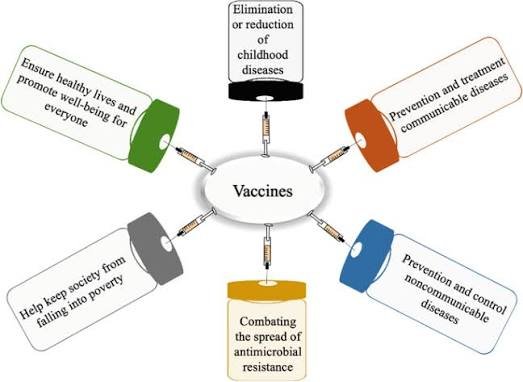
When a high proportion of a community is protected, the virus has fewer opportunities to spread. This community protection can also help protect people who cannot be vaccinated for certain medical reasons.
For this reason, 7 Shocking U.S. Measles Cases Cross 3,100 should be viewed as a reminder of the importance of maintaining strong immunization coverage.
Vaccination recommendations can vary according to age, previous doses, medical history, and individual circumstances. Therefore, people who are unsure about their vaccination status should speak with a qualified healthcare professional rather than relying on social media posts or unverified online information.
Common Symptoms of Measles
Measles can initially appear similar to other viral infections. Fever, cough, runny nose, and red or watery eyes are among the symptoms that may develop.
A characteristic rash can then appear several days after the initial symptoms. It often begins on the face or head before spreading to other parts of the body.
Because the early symptoms can resemble other illnesses, measles may not immediately be recognized. Consequently, an infected person may unknowingly expose other people before the condition is identified.
The discussion around 7 Shocking U.S. Measles Cases Cross 3,100 makes symptom awareness especially important. People who believe they may have been exposed should contact a healthcare professional for guidance.
If measles is suspected, it is generally important to call ahead before visiting a healthcare facility. By doing so, appropriate precautions can be arranged and exposure to other patients can be reduced.
How Public Health Teams Respond
Public health surveillance plays a major role in controlling infectious diseases. Healthcare providers and laboratories report suspected or confirmed infections to local and state health departments, where cases can be investigated.
The CDC then receives and publishes national surveillance information. However, these figures can change as records are updated and investigations are completed. The agency notes that surveillance information can be provisional and may be revised.
The latest 7 Shocking U.S. Measles Cases Cross 3,100 figure should therefore be understood as part of an ongoing surveillance process rather than a permanently fixed number.
Once a case has been confirmed, exposed individuals may be identified and advised about appropriate precautions. Vaccination status may also be reviewed, while additional cases can be investigated to determine whether an outbreak is developing.
How Outbreaks Can Be Controlled
Fast action is essential when measles cases are detected. Because the virus spreads easily, delays can allow additional people to become infected.
First, suspected cases should be identified and reported. Then, people who may have been exposed can be contacted. Depending on the circumstances, vaccination or other preventive measures may be recommended by health professionals.
In addition, accurate public communication is needed. Communities should be informed about confirmed exposure locations, symptoms, vaccination guidance, and appropriate healthcare procedures.
The importance of these measures is reflected in 7 Shocking U.S. Measles Cases Cross 3,100, which demonstrates how a preventable disease can become a nationwide concern.
Misinformation can make outbreak control harder. Therefore, health information should be obtained from trusted healthcare professionals and official public health agencies.
What Families Can Do
For families, the most practical response to 7 Shocking U.S. Measles Cases Cross 3,100 is to remain informed and check vaccination records.
Parents and caregivers can speak with healthcare providers to determine whether children are up to date with recommended immunizations. Adults who do not know their vaccination history can also ask a healthcare professional whether additional vaccination is appropriate.
Furthermore, families should become familiar with common measles symptoms. If a person develops symptoms after a possible exposure, medical advice should be obtained promptly.
However, people should avoid arriving unexpectedly at a clinic if measles is suspected. Calling ahead can allow healthcare workers to prepare protective measures and reduce possible exposure to others.
Schools and childcare centers can also contribute by communicating official health guidance to families and following public health recommendations when cases are identified.
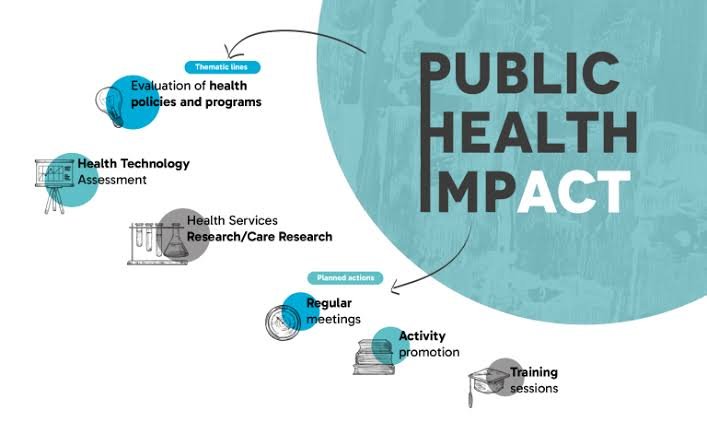
The Broader Public Health Impact
The story behind 7 Shocking U.S. Measles Cases Cross 3,100 extends beyond the United States. Measles continues to circulate internationally, which means imported infections remain possible through international travel.
A country may have achieved elimination of continuous measles transmission, but infections can still be brought in from areas where the virus is circulating. If immunity levels are low in a community, those imported cases can result in additional transmission.
Therefore, strong vaccination programs remain important even when local measles activity has previously been low.
The current resurgence also demonstrates why routine healthcare should not be ignored. Vaccinations that are delayed can create immunity gaps that may become apparent only when an infectious disease begins spreading.
For that reason, 7 Shocking U.S. Measles Cases Cross 3,100 should be considered a broader public health warning rather than only a record-breaking statistic.
Why Prevention Matters
Preventing measles is generally more effective than waiting until a large outbreak has developed. High vaccination coverage, early detection, reliable surveillance, and rapid response can all reduce opportunities for transmission.
The CDC’s current figures show that the United States is dealing with a historically significant measles year. The total reported so far is already the highest annual number in more than 35 years.
At the same time, the situation is not a reason for unnecessary panic. Instead, it is a reason for informed action.
The message of 7 Shocking U.S. Measles Cases Cross 3,100 can therefore be turned into a positive prevention opportunity. When accurate information is shared and recommended vaccination is maintained, communities can become better prepared to prevent future outbreaks.
What Could Happen Next?
The final 2026 measles total will depend on how many additional infections are identified during the remaining months of the year.
Health officials will continue monitoring cases, outbreaks, vaccination patterns, and transmission activity. Because surveillance data can be revised, the reported total may increase or change as new cases are confirmed.
Meanwhile, the continued attention surrounding 7 Shocking U.S. Measles Cases Cross 3,100 is expected to keep vaccination and infectious-disease preparedness in the public discussion.
If transmission is reduced through timely interventions, the number of new cases could eventually slow. However, continued vigilance will be required because measles can spread rapidly when susceptible people are exposed.
FAQs
1. How many measles cases have been reported in the U.S. in 2026?
As of September 3, 2026, the CDC reported 3,134 confirmed measles cases in the United States.
2. Why is the 2026 measles increase important?
The 2026 total is historically significant because it represents the highest annual number of confirmed U.S. measles cases in more than 35 years.
3. How does measles spread?
Measles spreads primarily through the air when an infected person breathes, coughs, or sneezes. Because it is highly contagious, transmission can occur easily in communities where immunity is low.
4. Can measles be prevented?
Yes. Vaccination is the primary method used to prevent measles and reduce community transmission.
5. What should someone do if measles is suspected?
A healthcare professional should be contacted for guidance. Calling before visiting a healthcare facility can help reduce the possibility of exposing other people.
Conclusion
The development described by 7 Shocking U.S. Measles Cases Cross 3,100 has placed measles back at the center of public health discussions in the United States. With 3,134 confirmed cases reported by September 3, 2026, the country has experienced its highest annual measles total in more than 35 years.
The situation should be taken seriously, but it should also be approached with accurate information rather than fear. Measles is preventable, and transmission can be reduced when vaccination coverage remains strong and suspected cases are identified quickly.
Ultimately, 7 Shocking U.S. Measles Cases Cross 3,100 serves as a reminder that public health protection depends on preparation, vaccination, reliable surveillance, and timely action. As 2026 continues, cooperation between healthcare professionals, public health agencies, schools, families, and communities will remain essential for limiting further spread.
Leave a Reply