Wearable Clinical Trials 2026 are changing how researchers collect health information during medical studies. Smartwatches, rings, patches, sensors, and other digital health technologies can collect information outside traditional clinical visits and may provide continuous or frequent measurements. In 2026, the FDA is actively supporting research into digitally derived measures and their use in clinical investigations.
Table of Contents
- What Are Wearable Clinical Trials 2026?
- 7 Powerful Benefits of Wearable Clinical Trials 2026
- 5 Critical Risks of Wearable Clinical Trials 2026
- Wearable Clinical Trials 2026 vs Traditional Trials
- 2026 Research Snapshot
- How to Improve Wearable Clinical Trials 2026
- Frequently Asked Questions
- Conclusion
What Are Wearable Clinical Trials 2026?
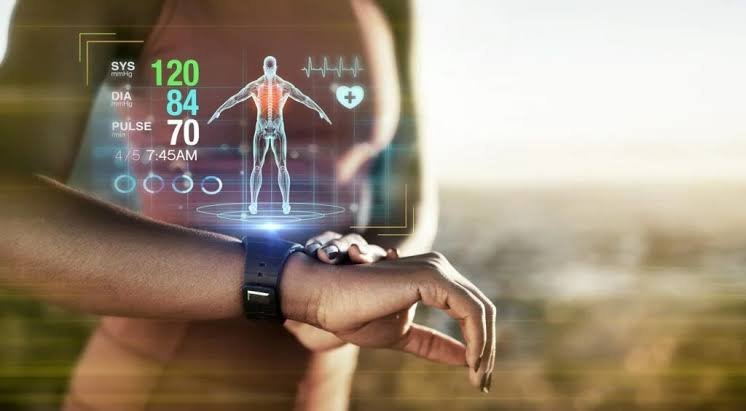
Wearable Clinical Trials 2026 refer to medical studies that use wearable or portable digital health technologies to collect health-related information from participants. These technologies can include smartwatches, smart rings, patches, activity sensors, continuous glucose monitors, and other sensor-based devices.
The important change is that researchers do not have to depend only on measurements taken during scheduled clinic visits. Digital health technologies can collect information while participants are at home or following their normal routines. The FDA says these technologies may support continuous or frequent measurements and remote data acquisition in clinical investigation
1. Wearable Clinical Trials 2026 Enable Continuous Monitoring
Traditional clinical studies often capture information at specific appointments. Wearable technology can provide repeated measurements between those visits. Depending on the device and study design, researchers may monitor activity, sleep, heart-related signals, glucose, movement, or other health characteristics.
This wider stream of information can help researchers understand how a participant changes over time instead of relying on a single clinical snapshot. The FDA notes that digitally derived measures may provide insight into areas such as mobility, sleep, cardiovascular function, and cognition.
2. Wearable Clinical Trials 2026 Support Remote Participation
Wearable devices can allow some study measurements to be collected away from traditional research sites. This can make decentralized or partially decentralized trials more practical.

For participants who have difficulty traveling frequently, remote data collection may reduce the burden of repeated clinic visits. The FDA specifically identifies remote acquisition as one of the potential advantages of digital health technologies in clinical investigations.
3. Wearable Clinical Trials 2026 Capture Real-World Health Data
A clinic visit represents a limited period of a person’s life. Wearable monitoring can potentially capture health-related information while someone is sleeping, walking, exercising, working, or performing everyday activities.
This real-world context can be valuable when the research question involves daily functioning rather than only a measurement taken inside a clinic.
4. Wearable Clinical Trials 2026 May Improve Participant Convenience
Some wearable technologies are designed to be used during normal daily activities. When a device is comfortable and easy to operate, participants may be able to contribute data without repeatedly completing complex procedures.
However, convenience depends heavily on device design, battery life, comfort, connectivity, and participant adherence.
5. Wearable Clinical Trials 2026 Can Produce New Digital Endpoints
One of the most important research opportunities is the development of digitally derived measures. These measures can potentially become clinical outcome assessments, biomarkers, or components of broader endpoints.
The FDA’s 2026 work emphasizes that a digital measure should be clinically meaningful and supported by appropriate evidence rather than being adopted simply because a technology can collect large amounts of data.
6. Wearable Clinical Trials 2026 Can Detect Changes Earlier
Frequent measurements may help researchers identify changes that could be missed between occasional clinical appointments. This could be particularly useful when studying conditions or treatments where changes develop gradually.
The FDA states that digital health technologies may support earlier detection of treatment effects or safety signals, although the usefulness of a specific measure depends on validation and its intended clinical purpose.
7. Wearable Clinical Trials 2026 Strengthen Patient-Centered Research
Wearable technologies can move some aspects of research closer to a participant’s everyday environment. This creates an opportunity to study health in situations that may be more representative of normal life.
The strongest approach is not simply collecting more data. Researchers need to identify what matters to patients and then select a technology capable of measuring it reliably. The FDA’s latest guidance emphasizes this patient-centered, fit-for-purpose approach.
5 Critical Risks of Wearable Clinical Trials 2026
1. Wearable Clinical Trials 2026 Face Validation Problems
A wearable may produce a measurement, but that does not automatically mean the measurement is clinically valid. Researchers need evidence showing that the device and resulting digital measure are appropriate for the intended use.
The FDA recommends verification, analytical validation, and clinical validation when appropriate for digitally derived measures used in clinical investigations.
2. Wearable Clinical Trials 2026 Can Suffer From Data Quality Issues
Sensors can produce missing, noisy, inconsistent, or inaccurate data. Battery problems, poor connectivity, incorrect device placement, software errors, and differences between devices can affect results.
For this reason, large volumes of wearable data should not be treated as automatically reliable. Data quality must be assessed throughout the study.
3. Wearable Clinical Trials 2026 May Create Participant Burden
A wearable may appear simple, but long-term participation can become difficult. Devices may need charging, synchronization, maintenance, or repeated use.
If participants stop wearing a device, researchers may lose important sections of the dataset. Therefore, comfort and usability are important parts of trial design.
4. Wearable Clinical Trials 2026 Raise Privacy Concerns
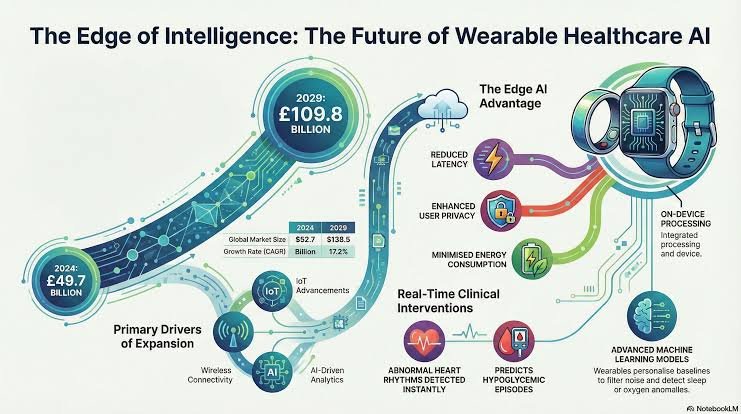
Continuous health monitoring can generate sensitive information about a participant’s behavior and physiology. Researchers must consider data security, access, storage, consent, and appropriate use.
Privacy should be considered from the beginning of the trial rather than treated as a final technical requirement.
5. Wearable Clinical Trials 2026 Can Produce Misleading Results
A sophisticated sensor cannot compensate for a poorly designed study. Researchers still need clearly defined outcomes, appropriate populations, reliable methods, and suitable statistical analysis.
The FDA has highlighted the importance of identifying potential sources of error and demonstrating that a digitally derived measure is meaningful and fit for purpose.
Wearable Clinical Trials 2026 vs Traditional Clinical Trials
| Feature | Traditional Clinical Trials | Wearable-Based Trials |
|---|---|---|
| Data collection | Often visit-based | Can be continuous or frequent |
| Location | Mainly clinical sites | Clinic + home environments |
| Monitoring | Periodic | Potentially ongoing |
| Daily-life data | Limited | Greater potential |
| Participant convenience | May require travel | Can reduce some visits |
| Main challenge | Limited observation windows | Data quality and validation |
The two approaches are not necessarily competitors. A strong trial can combine traditional clinical measurements with validated digital measures when both provide useful information.
2026 Research Snapshot
The healthcare research landscape is moving toward more continuous and digitally derived clinical information. In 2026, the FDA announced funding opportunities for digital health technology research in drug development and held a workshop focused on statistical considerations for digitally derived endpoints.

The FDA also published updated considerations explaining that digital measures should begin with a meaningful health concept and a clearly defined intended use rather than simply starting with a sensor or algorithm.
Research Comparison Table
| Research Area | 2026 Direction |
|---|---|
| Remote monitoring | Increasing interest |
| Digital endpoints | Strong regulatory focus |
| Continuous measurements | Expanding research opportunity |
| Patient-centered data | Growing importance |
| Validation | Critical requirement |
| Data quality | Major research challenge |
How to Improve Wearable Clinical Trials 2026
Researchers can improve these studies by choosing devices according to the clinical question rather than choosing technology first. The intended outcome should be clearly defined before selecting the sensor or platform.
Validation should also happen before relying on a digital measure as an important clinical endpoint. Participants should receive clear instructions, and researchers should monitor adherence, missing data, device performance, and potential sources of measurement error.
The FDA’s 2026 recommendations emphasize collaboration among researchers, patients, caregivers, clinicians, and technology developers. This approach can help ensure that digital measurements are meaningful rather than merely technologically impressive.
Frequently Asked Questions About Wearable Clinical Trials 2026
What are Wearable Clinical Trials 2026?
They are clinical studies that use wearable or portable digital health technologies to collect health-related information from participants, sometimes continuously or remotely.
Are wearable devices reliable enough for clinical trials?
Some devices may be suitable for specific research purposes, but reliability depends on the device, measurement, population, study design, and validation evidence. A consumer wearable should not automatically be considered a clinically validated research instrument.
What is the biggest benefit of wearable clinical trials?
One major benefit is the ability to collect frequent or continuous information outside traditional clinic visits. This can provide a broader view of a participant’s health and daily functioning.
What is the biggest risk?
A major risk is using a digital measurement without sufficient evidence that it is accurate, clinically meaningful, and fit for its intended purpose.
Can wearable technology replace traditional clinical trials?
Not generally. Wearables are better viewed as additional tools that can complement established clinical measurements when they have appropriate evidence and validation.
Conclusion
Wearable Clinical Trials 2026 represent an important shift toward more continuous, remote, and real-world health data collection. Smartwatches, rings, patches, sensors, and other digital technologies can potentially improve participant convenience, expand monitoring, and create new digital endpoints.
However, more data does not automatically mean better medical research. Validation, data quality, privacy, participant adherence, and clinical relevance remain critical. The strongest future trials will combine wearable technology with rigorous clinical methods rather than replacing traditional research entirely.
As FDA activity in 2026 shows, the field is moving toward a more evidence-based approach in which digital measurements must demonstrate that they are meaningful, reliable, and appropriate for their intended use.
Leave a Reply