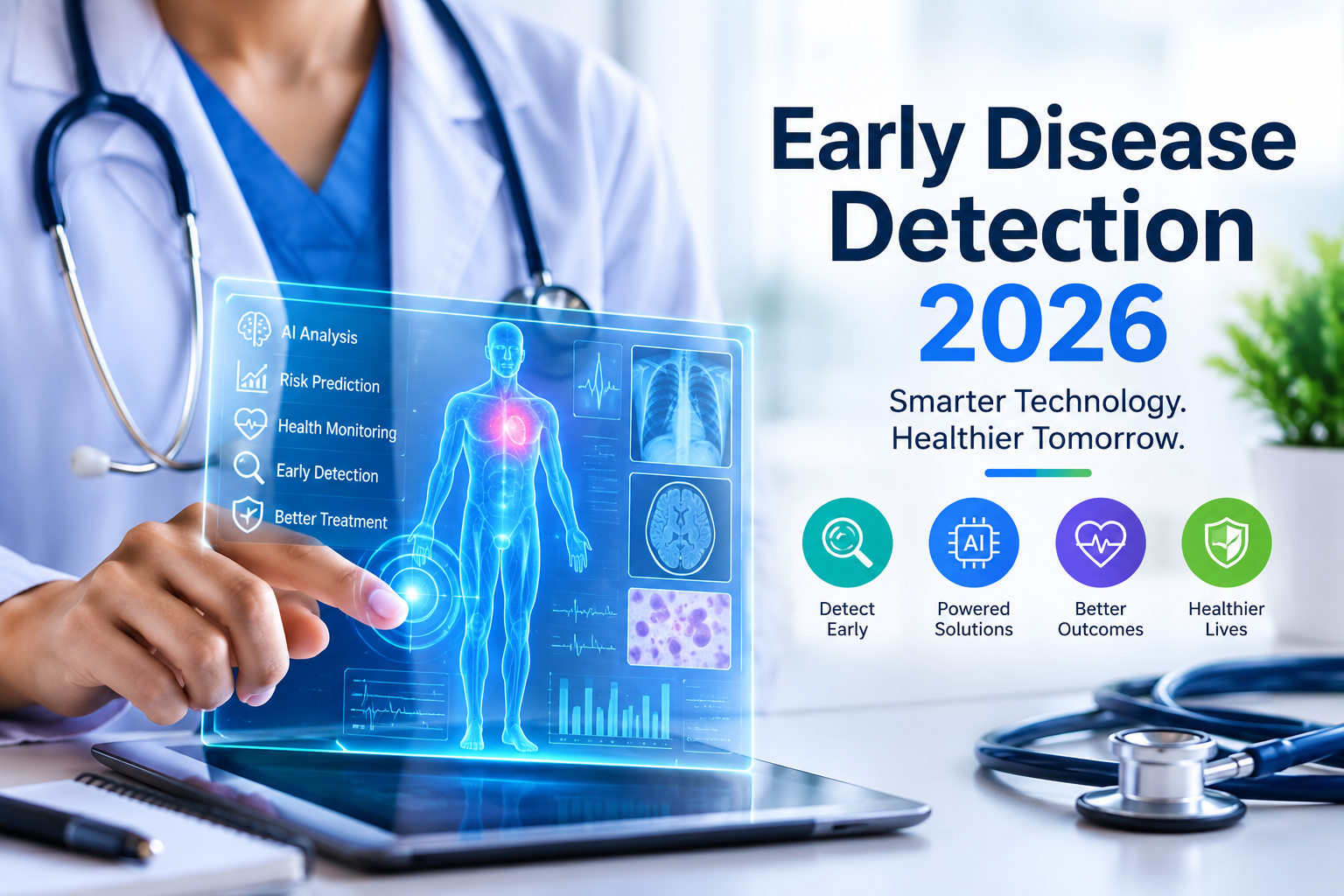
Early Disease Detection 2026 is becoming an important part of modern health care. New technologies can help doctors identify warning signs before some diseases become more difficult to manage. Artificial intelligence, advanced imaging, wearable devices, genetic testing, and digital health tools are changing how health problems can be noticed and investigated.
Early detection does not mean that technology can diagnose every disease automatically. Instead, these tools can support doctors by providing useful information that may help with screening, monitoring, and further testing. At the same time, privacy, false results, cost, and over-reliance on technology remain important concerns.
Table of Contents
- What Is Early Disease Detection 2026?
- Seven Technologies Behind Early Disease Detection 2026
- Benefits of Early Disease Detection 2026
- Five Risks of Early Disease Detection 2026
- Future of Early Disease Detection 2026
- FAQs About Early Disease Detection 2026
- Conclusion
What Is Early Disease Detection 2026?
Early Disease Detection 2026 refers to modern methods used to identify possible signs of illness at an earlier stage. Traditional health care often depends on symptoms, physical examinations, laboratory tests, and medical imaging. Today, digital technologies can add another layer of information.
For example, wearable devices can continuously collect certain health measurements. AI systems can assist with the analysis of medical images. Genetic testing can provide information about inherited risks or biological changes. However, these technologies should normally be used alongside professional medical assessment rather than as a replacement for it.
The main goal is simple: find potential problems earlier so that appropriate medical evaluation can happen sooner.
Seven Technologies Behind Early Disease Detection 2026
1. AI Imaging for Early Disease Detection 2026
Artificial intelligence is being developed to assist with medical imaging. It can analyze patterns in images such as X-rays, CT scans, MRIs, and other diagnostic images.
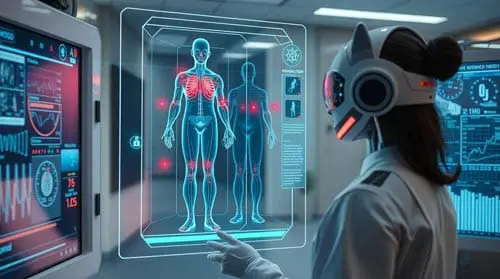
AI may help highlight areas that deserve closer attention from a qualified professional. This can be especially useful when medical teams have large numbers of images to review.
However, AI output still needs appropriate clinical interpretation. A computer-generated result should not automatically be treated as a final diagnosis.
2. Wearable Devices and Early Disease Detection 2026
Smartwatches and other wearable devices can collect health-related measurements such as heart rate and activity patterns. Some devices can also monitor additional signals depending on their design and regulatory status.
Long-term monitoring can sometimes reveal changes that may be worth discussing with a health professional. This makes wearables an interesting part of Early Disease Detection 2026.
Still, unusual readings can happen for many reasons. A single alert should not automatically be considered proof of disease.
3. Genetic Testing in Early Disease Detection 2026
Genetic testing can provide information about specific genetic variants and inherited health risks. In some situations, this information can help doctors and patients make decisions about additional screening.
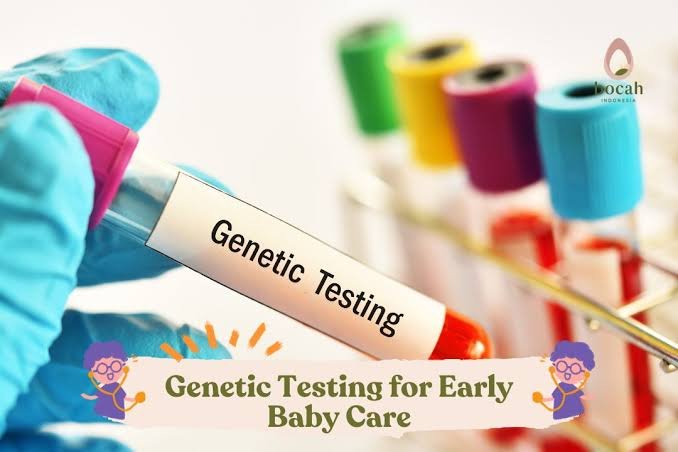
The value of genetic testing depends on the test, the person’s situation, and professional interpretation. Results can also raise difficult questions about family health and future risk.
Therefore, genetic information should be handled carefully and interpreted in the proper medical context.
4. Blood-Based Testing and Early Disease Detection 2026
Blood tests remain one of the most established tools in modern medicine. Researchers are also investigating advanced blood-based approaches that may identify biological signals associated with certain diseases.
Some emerging tests are designed to detect particular biomarkers or molecular changes. Their usefulness depends on scientific validation, clinical setting, and the disease being investigated.
This area could become an important part of Early Disease Detection 2026, but promising research does not always mean that a test is ready for routine medical use.
5. Digital Biomarkers for Early Disease Detection 2026
Digital biomarkers are measurable signals collected through digital technologies. Depending on the system, they can involve movement, behavior, physiological measurements, or other health-related information.
Researchers are exploring whether changes in these signals can support the identification or monitoring of certain health conditions.
The major advantage is that digital information can sometimes be collected repeatedly instead of only during an occasional clinic visit.
6. Advanced Molecular Testing for Early Disease Detection 2026
Modern laboratory science can examine biological information at increasingly detailed levels. Molecular testing can investigate specific genetic, cellular, or biochemical signals.
These approaches may help researchers understand disease processes and identify possible markers for earlier investigation.
However, a laboratory marker does not always mean that a person has a particular disease. Clinical context remains essential.
7. Remote Monitoring and Early Disease Detection 2026
Remote health monitoring allows some patient information to be collected outside a traditional hospital or clinic setting. This can be useful for people who need regular monitoring.
Remote systems may help healthcare teams notice changes over time and decide when additional assessment may be appropriate.
The technology works best when measurements are reliable and when there is a clear process for healthcare professionals to review and respond to important changes.
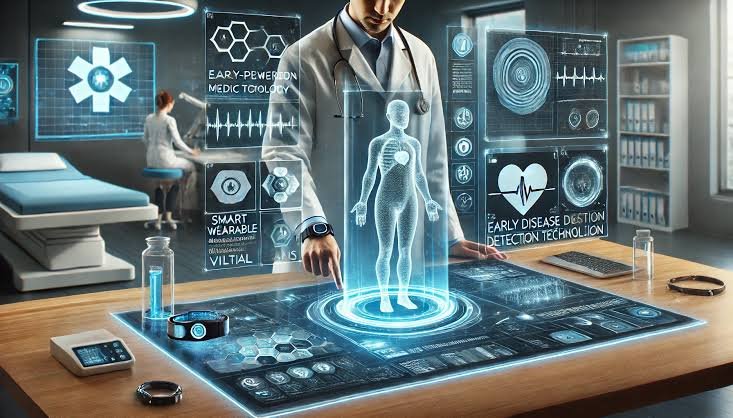
Benefits of Early Disease Detection 2026
One major advantage of Early Disease Detection 2026 is the possibility of identifying concerning changes before symptoms become severe. Earlier investigation may give healthcare professionals more opportunities to evaluate a problem and consider suitable treatment or monitoring.
Another benefit is continuous information. Traditional testing often provides a snapshot of someone’s health at one particular moment. Wearables and remote monitoring can provide repeated measurements, although their accuracy and clinical usefulness vary.
Modern technology can also support more personalized health care. Different people may have different risk factors, medical histories, and screening needs. When properly validated, digital and laboratory tools can add useful information to this decision-making process.
AI-assisted systems may also help healthcare professionals manage large amounts of information. Rather than replacing doctors, these systems can potentially act as supporting tools.
Early Disease Detection 2026: Technology Comparison
| Technology | Main Role | Important Limitation |
|---|---|---|
| AI imaging | Supports image analysis | Requires clinical review |
| Wearables | Tracks selected health signals | Readings can be imperfect |
| Genetic testing | Identifies selected genetic information | Results need interpretation |
| Blood-based testing | Measures biological markers | Not every test is clinically validated |
| Digital biomarkers | Tracks measurable digital signals | Evidence varies by application |
| Molecular testing | Examines biological changes | Can be complex and costly |
| Remote monitoring | Collects health information over time | Depends on reliable monitoring systems |
Early Disease Detection 2026: Technology Landscape
The following chart is an illustrative comparison of the main role of each technology, not a measurement of diagnostic accuracy or medical effectiveness.
Five Risks of Early Disease Detection 2026
Although Early Disease Detection 2026 offers promising possibilities, it also has important risks.
1. False Results in Early Disease Detection 2026
A screening or detection tool can sometimes produce a false-positive or false-negative result. A false positive may lead to unnecessary worry or additional testing, while a false negative may create false reassurance.
For this reason, medical decisions should not normally be based on one technological result alone.
2. Privacy Risks in Early Disease Detection 2026
Modern health technologies can collect large amounts of personal information. Wearables, apps, genetic services, and remote monitoring systems may involve sensitive health data.
Strong privacy practices and responsible data handling are therefore important as digital health continues to expand.
3. Cost Barriers in Early Disease Detection 2026
Some advanced technologies may be expensive or unavailable in certain healthcare settings. This can create differences in access between patients and regions.
A useful technology needs to be not only scientifically promising but also practical and accessible for the people who need it.
4. Overdiagnosis and Early Disease Detection 2026
Finding something early is not always automatically beneficial. Some abnormalities may never cause serious problems, yet discovering them can lead to anxiety, repeated testing, or unnecessary procedures.
Healthcare professionals therefore need to consider whether a detection method actually improves patient outcomes.
5. Over-Reliance on Technology in Early Disease Detection 2026
Technology can provide valuable information, but it cannot understand every part of a patient’s situation. Medical history, symptoms, physical examination, family history, and professional judgment can all matter.
The strongest approach is likely to combine useful technology with human medical expertise.
Future of Early Disease Detection 2026
The future of Early Disease Detection 2026 is likely to focus on better integration between different health technologies. Instead of relying on a single device or test, healthcare systems may combine information from imaging, laboratory testing, wearable devices, and patient records.
Artificial intelligence may also become more useful as clinical evidence improves. However, future systems will need strong validation, appropriate regulation, security, and transparency.
Another important direction is personalized screening. Instead of using exactly the same approach for everyone, healthcare professionals may increasingly consider individual risk factors when deciding which tests or monitoring methods are appropriate.
The key goal should not simply be to detect more abnormalities. It should be to detect meaningful health problems accurately and use that information to support better medical decisions.
FAQs About Early Disease Detection 2026
Is Early Disease Detection 2026 reliable?
The reliability depends on the specific technology and medical application. Some tools are well established, while others are still being researched or validated.
Can AI replace doctors in Early Disease Detection 2026?
No. AI can support certain healthcare tasks, but medical professionals remain important for interpreting results, considering patient history, and making clinical decisions.
Are wearable devices useful for Early Disease Detection 2026?
Wearables can provide useful health measurements and trends, but their readings should not automatically be treated as a diagnosis. Concerning results should be discussed with an appropriate healthcare professional.
What is the biggest risk of Early Disease Detection 2026?
There is no single biggest risk for every technology. False results, privacy concerns, overdiagnosis, cost, and excessive dependence on technology are all important issues.
Conclusion
Early Disease Detection 2026 is bringing together AI, wearable technology, genetic testing, advanced laboratory methods, digital biomarkers, and remote monitoring. These technologies can provide new ways to identify and investigate possible health problems.
At the same time, early detection must be approached carefully. Technology can produce incorrect results, collect sensitive information, increase costs, or identify changes that do not necessarily require treatment.
The most useful future approach will likely combine technological innovation with clinical evidence and professional medical judgment. Early detection is valuable when it leads to accurate evaluation and better health decisions—not simply when it produces more alerts or test results.
Leave a Reply