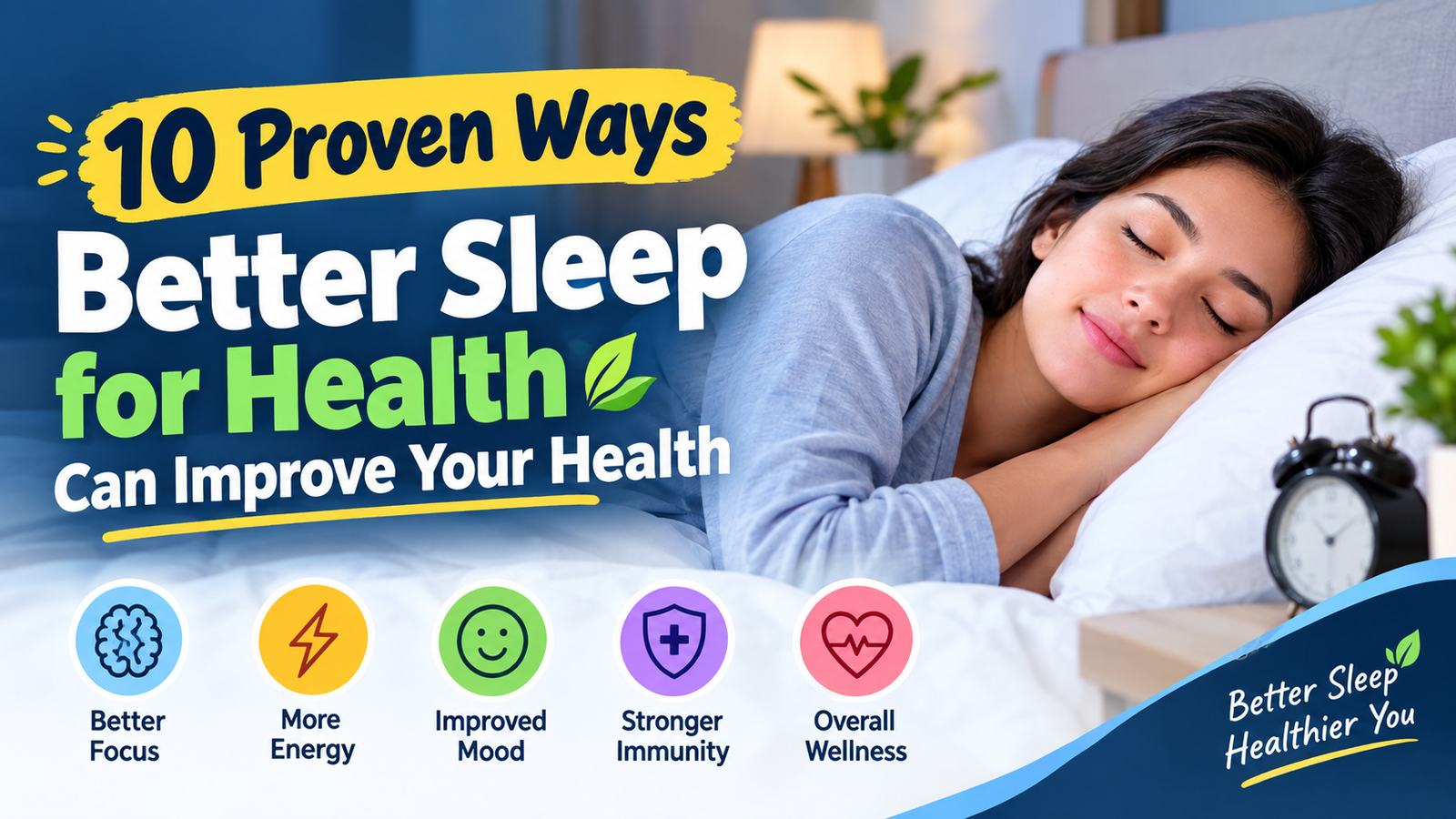
Getting enough quality sleep is one of the simplest ways to support a healthier lifestyle. Better sleep for health can help your body recover, support brain function, improve concentration, and keep your energy levels more balanced throughout the day. Yet, many people ignore their sleep habits because of busy schedules, stress, or late-night screen time. The good news is that you do not need a complicated routine to improve your sleep. A few simple changes to your bedtime habits can make your nights more comfortable and your days more productive. In this article, we will explore 10 proven ways better sleep for health can improve your overall well-being and share practical tips that you can start using today.
Table of Contents
- What Is Better Sleep for Health?
- Why Better Sleep for Health Matters
- 10 Ways Better Sleep for Health Can Help
- How Poor Sleep Can Affect You
- Simple Sleep Habits to Try
- Sleep and Health Comparison Table
- Frequently Asked Questions
- Conclusion
What Is Better Sleep for Health?
Better sleep for health means getting enough high-quality sleep to support your physical and mental well-being. Sleep is more than simply resting at night. While you sleep, your body and brain carry out important recovery and maintenance processes.
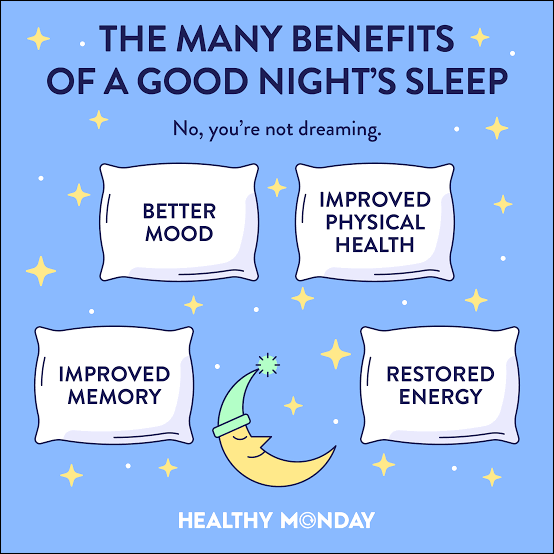
Most adults need around 7–9 hours of sleep each night, although individual needs can vary. The quality and consistency of your sleep are also important.
A regular bedtime, comfortable bedroom, and relaxing nighttime routine can all help create better conditions for healthy sleep.
Why Better Sleep for Health Matters
Good sleep can support several areas of daily life. When you sleep well, you may find it easier to concentrate, manage everyday tasks, stay active, and maintain a positive routine.
In contrast, regularly getting too little sleep can make you feel tired and less focused. Poor sleep may also affect mood, reaction time, and your ability to maintain healthy habits.
The positive news is that improving sleep does not always require major lifestyle changes. Simple and consistent habits can be a useful starting point.
10 Ways Better Sleep for Health Can Help
1. Better Sleep for Health Supports Brain Function
Your brain remains active while you sleep. Quality sleep supports processes related to memory, learning, attention, and normal cognitive function.
After a good night’s sleep, you may feel more prepared to study, work, solve problems, and handle daily responsibilities.

2. Better Sleep for Health Supports Physical Recovery
Your body needs recovery time after daily activities and exercise. Sleep provides an important opportunity for physical restoration.
If you exercise regularly, getting enough sleep can complement your training and help you maintain a balanced fitness routine.
3. Better Sleep for Health Supports Your Mood
Sleep and emotional well-being are closely connected. Poor sleep can leave you feeling tired, frustrated, or less patient during the day.
A consistent nighttime routine may help you relax before bed and prepare your mind for sleep.
4. Better Sleep for Health Supports Daily Energy
One noticeable benefit of quality sleep is feeling more refreshed during the day.
Instead of depending heavily on caffeine to overcome tiredness, developing healthy sleep habits can help support natural daytime alertness.
5. Better Sleep for Health Can Support Healthy Eating
Sleep can influence appetite and everyday food choices. When you are extremely tired, sticking to healthy eating habits may become more difficult.
Getting sufficient sleep can therefore be one part of a broader approach to nutrition and wellness.
6. Better Sleep for Health Helps Exercise Recovery
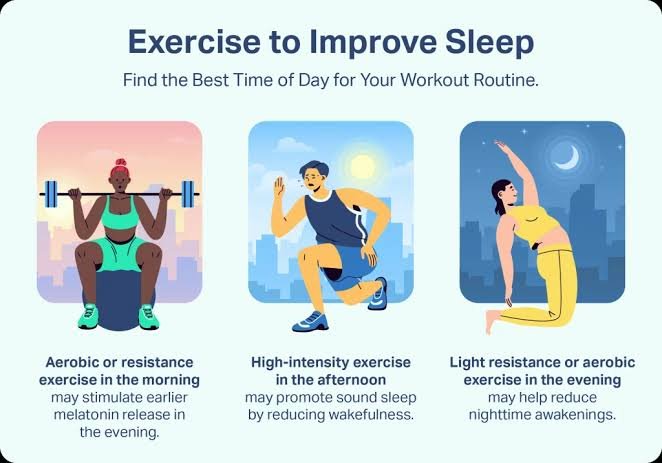
Physical activity places demands on your muscles and body. Rest and sleep provide time for your body to recover.
Whether you walk, run, cycle, play sports, or work out at the gym, sleep should be considered an important part of your overall routine.
7. Better Sleep for Health May Improve Concentration
A lack of sleep can make it harder to stay focused on important tasks.
Quality sleep can support attention and mental performance, helping you approach work, study, and everyday activities with greater alertness.
8. Better Sleep for Health Encourages a Consistent Routine
Going to bed and waking up at approximately the same time each day can help establish a predictable sleep schedule.
Consistency is often more practical than trying to follow a complicated sleep program.
9. Better Sleep for Health Can Help You Feel Refreshed
Sleep quality matters, not just the number of hours spent in bed. Frequent nighttime interruptions can leave you feeling tired even after spending a long time in bed.
A quiet, dark, and comfortable bedroom can help create an environment that is suitable for sleep.
10. Better Sleep for Health Supports Overall Wellness
Sleep works together with physical activity, nutrition, stress management, and other healthy habits.
Rather than treating sleep as something optional, consider it one of the basic foundations of a healthy daily lifestyle.
How Poor Sleep Can Affect You
Occasionally having a bad night’s sleep is normal. However, regularly sleeping too little can make daily activities more difficult.
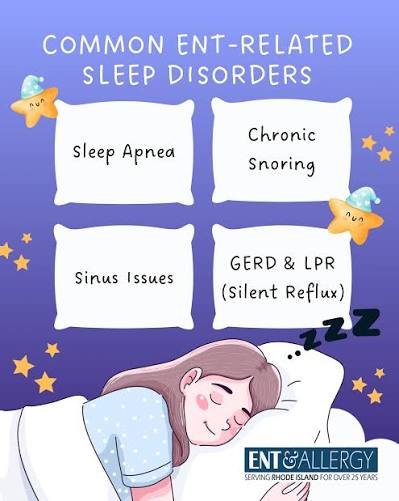
Poor sleep may be associated with:
- Low daytime energy
- Difficulty concentrating
- Irritability or mood changes
- Slower reaction time
- Reduced motivation
- Difficulty maintaining healthy routines
Not every tired day is caused by poor sleep. Stress, illness, lifestyle, work schedules, and other factors can also influence how you feel.
Simple Better Sleep for Health Habits to Try
You do not need to change everything at once. Start with one or two habits and gradually build a routine that works for you.
Create a Regular Bedtime
Try going to bed and waking up at similar times each day. A consistent schedule can help your body develop a predictable sleep pattern.
Make Your Bedroom Comfortable
A quiet, dark, and comfortable bedroom can make it easier to relax. Pay attention to factors such as room temperature, noise, light, and mattress comfort.
Reduce Screen Time Before Bed
Phones, tablets, computers, and televisions can keep your mind engaged late at night. Consider reducing screen use before bedtime and choosing a relaxing activity instead.
Avoid Heavy Meals Close to Bedtime
Large meals late at night can cause discomfort for some people. If you notice that late meals interfere with your sleep, consider eating earlier.
Create a Relaxing Night Routine
Reading, gentle stretching, breathing exercises, or quiet music can help you transition from daytime activities to a calmer bedtime routine.
Sleep and Health Comparison Table
| Healthy Sleep Habits | Poor Sleep Habits |
|---|---|
| Consistent bedtime | Frequently changing bedtime |
| Comfortable bedroom | Noisy or uncomfortable room |
| Relaxing evening routine | Stimulating activities late at night |
| Enough time for sleep | Regularly cutting sleep short |
| Limited late-night screen use | Excessive screen use before bed |
The comparison shows how everyday habits can influence your sleep routine.
Better Sleep for Health: Simple Daily Picture
The chart below is illustrative, not medical data. It simply demonstrates how a person’s perceived daytime energy might change with different amounts of sleep.
Individual sleep needs differ, so these numbers should not be interpreted as a medical recommendation. The main goal is to establish sufficient, consistent, and quality sleep.
Low-Competition Keywords for Sleep Content
If you are publishing this article on a website, you can also naturally target related long-tail search terms such as:
- better sleep for health
- sleep habits for better health
- how sleep affects daily health
- healthy sleep routine for adults
- simple ways to improve sleep quality
- benefits of getting enough sleep
- sleep tips for better wellness
- how to sleep better naturally
These supporting keywords can be included naturally in future articles, FAQs, image alt text, and related content.
Frequently Asked Questions
How Many Hours of Sleep Does an Adult Need?
Most adults need approximately 7–9 hours of sleep per night, although individual sleep requirements can differ.
Can Better Sleep for Health Improve Energy?
Yes. Getting enough quality sleep can support normal daytime alertness and help you feel more refreshed.
What Is the Easiest Way to Improve Sleep?
A simple starting point is maintaining a consistent bedtime and wake-up time. Creating a comfortable and relaxing bedroom can also help.
Can Poor Sleep Affect Concentration?
Yes. Insufficient sleep can affect attention and cognitive performance, which may make it harder to concentrate on work or study.
Is Sleep Important for an Active Lifestyle?
Yes. Sleep, exercise, and nutrition work together as important parts of a healthy lifestyle. Adequate rest can support recovery after physical activity.
Conclusion
Better sleep for health is an important part of maintaining overall wellness, but it is often overlooked. Quality sleep can support brain function, physical recovery, concentration, mood, energy, and healthy daily routines.
The best approach is not to make your sleep routine unnecessarily complicated. Start with simple changes such as maintaining a regular bedtime, creating a comfortable bedroom, reducing late-night screen time, and giving yourself enough time to sleep.
Remember that everyone’s sleep needs are different. If you regularly have difficulty sleeping, frequently wake up during the night, or continue to feel excessively tired during the day, consider speaking with a qualified healthcare professional.
Small improvements in your daily routine can be a practical first step toward healthier and more consistent sleep.
Leave a Reply